
What One Clemson Athlete Discovered About Identity Beyond Sport
The Story
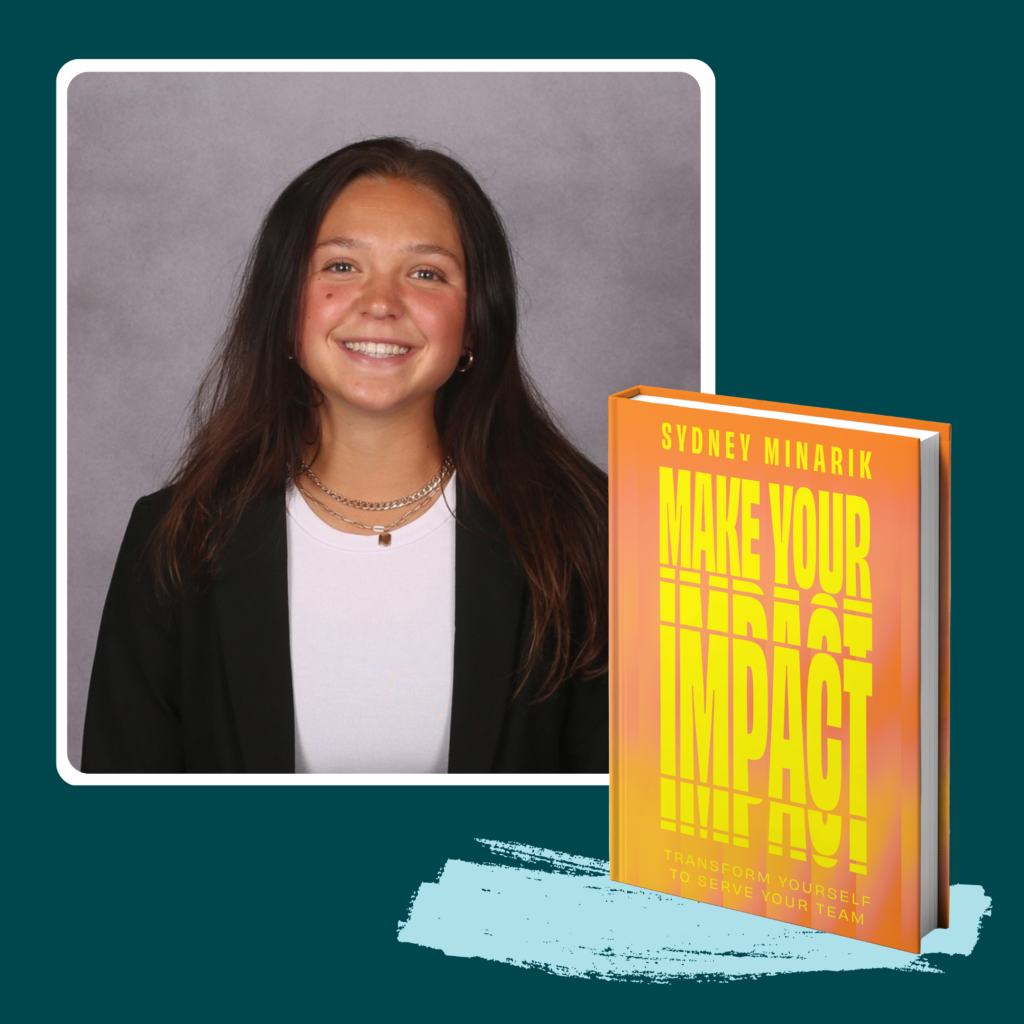
Six years ago, Sydney Minarik walked into Clemson’s locker room as a freshman, certain she knew exactly who she was: a soccer player who scored goals and started games. But after two seasons of fluctuating playing time, there was a question she couldn’t ignore: who was she without the game?
What she didn’t know yet was that finding her identity beyond the stat sheet would take a kind of work no amount of athletic training could prepare her for.
“I didn’t truly realize until I got to school how much of my identity relied on that validation — until it didn’t serve me anymore,” Sydney said.
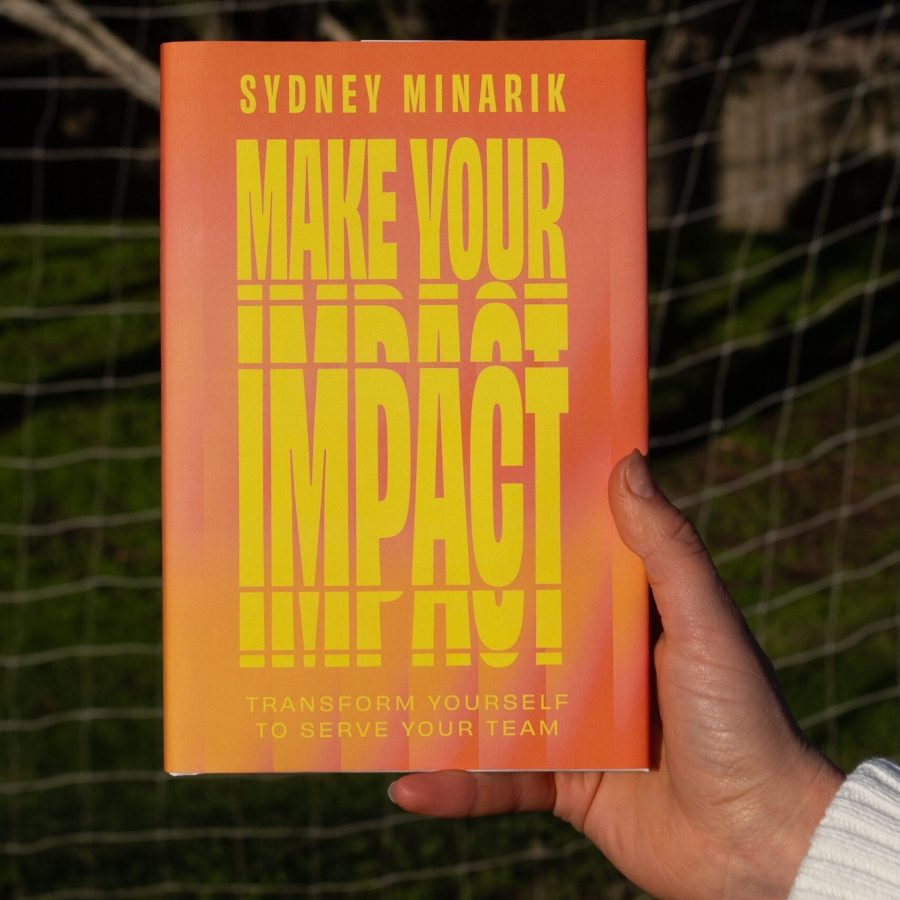
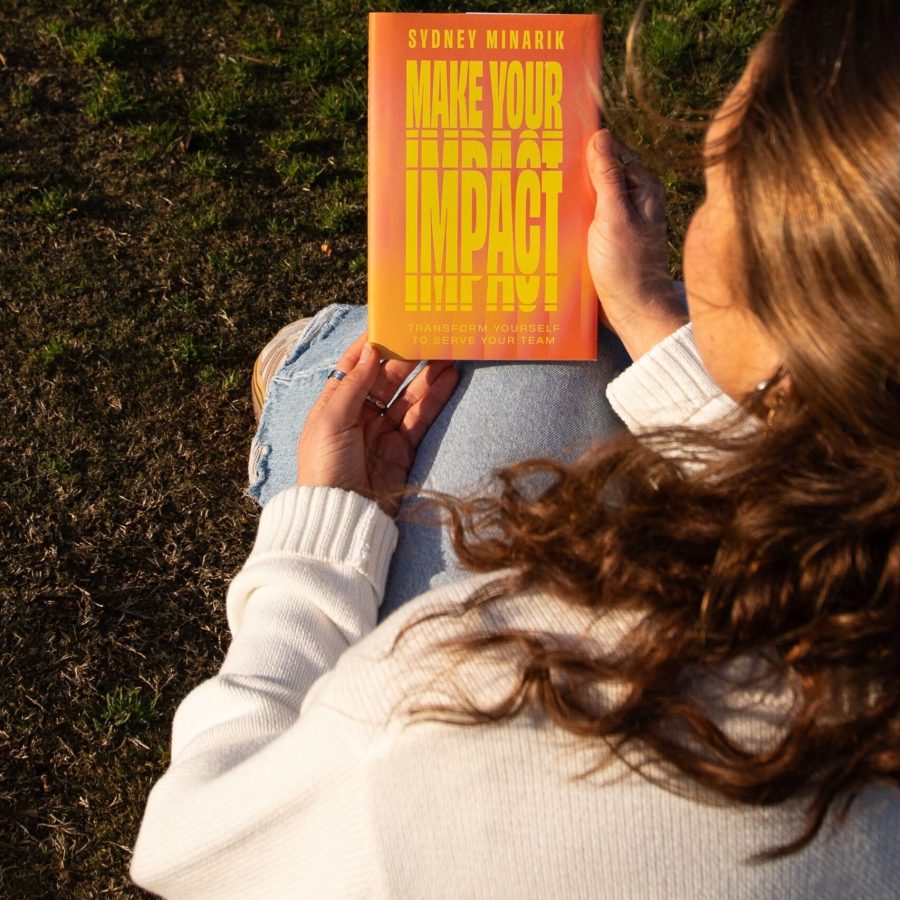
Make Your Impact: Transform Yourself to Serve Your Team is the book she wrote from the other side of that realization. A book about finding yourself in the hardest stretch of your athletic career, written by someone who almost walked away from soccer entirely.
The Curiosity
In the middle of it all, Sydney went searching for something that could name what she was feeling. She found pieces of clarity in different places, but never one consolidated space that brought it all together.
Then, two of her Clemson teammates, Ally Lynch and Megan Bornkamp, built a project called Beyond the Paw, a space where athletes could share who they were outside their sport. Sydney remembers what it felt like to be asked to put her own story into words for the first time: vulnerable, a little terrifying, and strangely clarifying.
People read it and felt seen in a way that most sports writing never had. There’s no shortage of books about winning. But there are almost none written for the player sitting in the locker room, wondering if their presence even registers. That’s the hole Make Your Impact fills.
The Effort
The first crack came before she ever stepped on Clemson’s campus. Three days after committing at fourteen, she broke her tibia and fibula in a collision with a goalkeeper. In less than a week, she’d felt the highest high of her athletic life and one of its lowest lows.
Sports psychology got her back on the field. But the deeper question of who she was without soccer went unanswered.
The second reckoning came at Clemson. Her role shifted constantly: starting one match, coming off the bench in the next, sitting out the one after. Two years in, the uncertainty caught up with her. She started wondering if soccer was still worth it at all.
“My team became my why. They were the reason then, they saved me, and then they were the reason for me to continue to show up on the field after that. And my teammates are still my why today.”
That moment changed the trajectory of everything that followed and planted the seed for the book that would eventually become Make Your Impact.
The Solution
By the time Sydney started writing down what she’d learned, she wasn’t doing it for a publisher. She was doing it for her younger self. In a Substack called Make Your Impact, she still shares her reflections on motivation and self-growth. Somewhere in that practice of writing for an audience of strangers, she realized she had more than a newsletter. She had a book.
That’s what led her to Streamline Books, the publishing arm of ShareYourStory.com. She connected with the team, including CEO Alex Demczak and Chief Relationship Officer Will Severns, and found something she recognized immediately. For someone who’d spent her whole life being coached, working with a publishing team came naturally. It was just another kind of team.
The Journey
One line changed the way Sydney thought. It came from a Clemson strength coach, Rick Franzblau, who’d heard it from baseball head coach Eric Bakich.
“Championship teams are made of championship teammates,” he told them, “and championship teammates love their teams more than they love their role on it.” Sydney says she had to write it down on the spot.
She saw that same ethic lived out in her teammate Sami Meredith, who showed up the same way whether she was starting, injured, or watching from the sideline. “She loved the team more than she loved whatever role she had on it,” Sydney says of Sami, who shows up by name throughout the book.
Her writing coach gave her one more image that reshaped how she saw herself: a kaleidoscope. Soccer was one piece of it, not the whole picture. So she rebuilt the rest, one habit at a time. Her mornings looked less like scrolling and comparison and more like a real breakfast and a few pages of a book. Small shifts, she’d learned, have a way of changing everything, including the question that had once filled her mind.
The ROI
Make Your Impact has already started the conversation Sydney hoped for. Athletes are recognizing themselves in the early chapters: players who’ve sat on the same bench, felt the same quiet loss of self, and never had a name for it until now. Messages are coming in from people who needed to know the bench didn’t define them.
For Sydney, the proof isn’t only in the messages. The habits she rebuilt at Clemson didn’t just get her through a hard season. They’re the reason she said yes to playing professionally on the other side of the world, knowing almost no one when she landed. The work behind the book changed her long before it had a title.
“Who you are and who you’re becoming is way more important than who you’ve been,” she says. “You can change and begin again and try as many times as you want.”
What People Are Saying
- “If you want to make a difference in the lives of your teammates, read this book immediately! As a fellow Clemson alumni, I hung on to every single word that Sydney said and was so impressed by her attention to detail and also leadership capabilities. This is a must read for anyone who is looking to do leadership outside of college.”
- “Make Your Impact strikes the perfect balance between personal memoir and inspiring self-help story. Sydney’s vulnerability allows the book to delve into important topics within mental health, college athletics, and team dynamics.”
- “Finished in 2 hours. It was engaging, warm, insightful, vulnerable, and I love seeing behind the curtain. Grab it for a great read.”
What’s Next for Sydney Minarik?
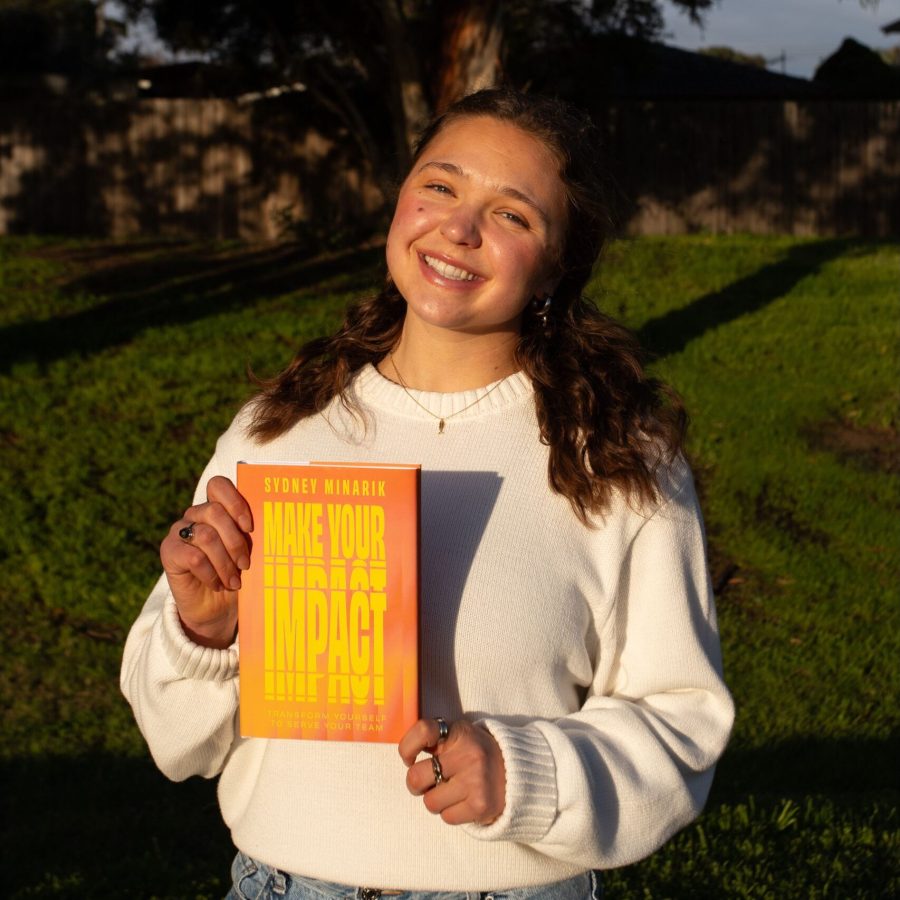
Sydney graduated from Clemson in 2025, four years after she first put on a Tigers jersey, and now plays professionally for Box Hill United in Melbourne, Australia.
These days, Sydney splits her time between training with Box Hill United and writing from a coffee shop near Melbourne. She still does yoga, reads constantly, and keeps the same morning routine she built at Clemson.
Sydney continues to write on her Substack, Make Your Impact. Wherever soccer takes her next, the lesson stays the same: finding an identity beyond sport doesn’t end when you make a team. It’s what makes you worth having on one.
Listen to Sydney’s full episode on Spotify and Apple Podcasts.
